

August in a nutshell
August rewards a light, regular touch rather than big set-piece jobs. Your priorities this month:
- Harvest little and often — picking regularly keeps beans, courgettes and many crops producing.
- Deadhead repeat-flowerers — roses, dahlias, cosmos, sweet peas and perennials, to push flowering into autumn.
- Keep watering in dry spells, especially pots and anything newly planted.
- Light-prune wisteria and trim lavender once flowering's finished.
- Sow for later — final salad crops now, and hardy annuals for next year.
- Watch for blight on potatoes and tomatoes in warm, wet weather.
None of this needs a full day — a steady half hour every few evenings keeps things on track.
August is high summer: growth is at its peak, but so is the demand for water and tidying. The aim is to keep plants flowering and cropping rather than letting them run to seed and shut down early.
Most of this advice holds UK-wide. In the warmer, drier south and east you'll be watering more and watching harder for blight in muggy spells; cooler, wetter northern and Scottish gardens may need less watering but should stay alert for the same fungal problems. As always, let your own weather guide the watering — feel the soil rather than working to a fixed schedule.
August jobs
Work through these in roughly this order:
- Harvest regularly. Pick crops little and often — the more you pick, the more many plants produce. Lift onions and garlic once the foliage yellows, and dry them before storing.
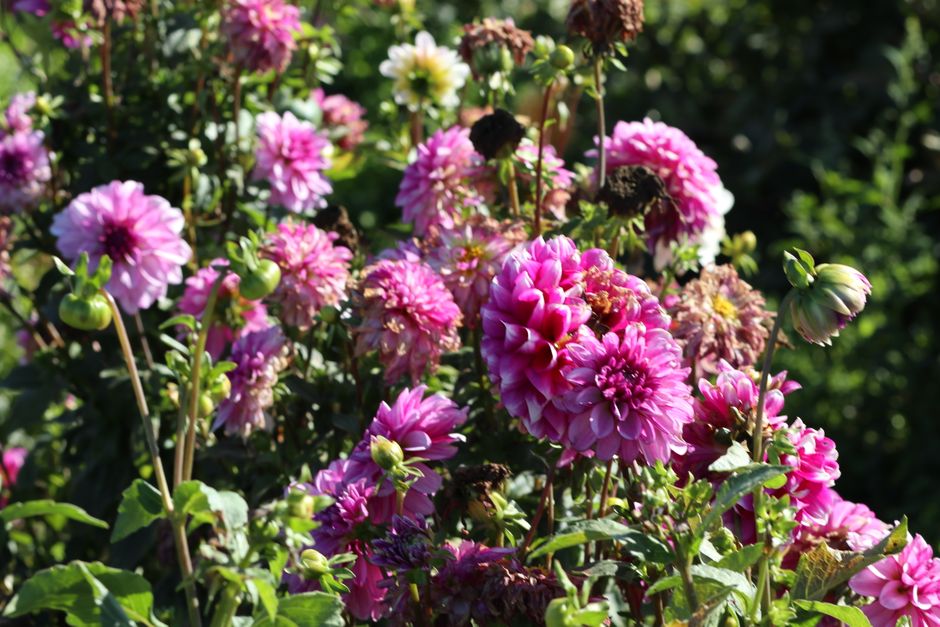
- Deadhead for a second flush. Remove faded flowers from roses, dahlias, cosmos, sweet peas and perennials to keep them blooming into autumn.
- Water thoughtfully. Pots and baskets dry out fastest in heat — check daily. Water in the cool of morning or evening so less is lost to evaporation.
- Light-prune wisteria. Cut this year's whippy growth back to around five or six leaves from the main stem.
- Trim lavender. Once flowering's finished, trim it over to keep it compact — never cut back into old wood.
- Keep mowing, blades raised. Set the mower higher in dry weather so the grass shades and protects its own roots.
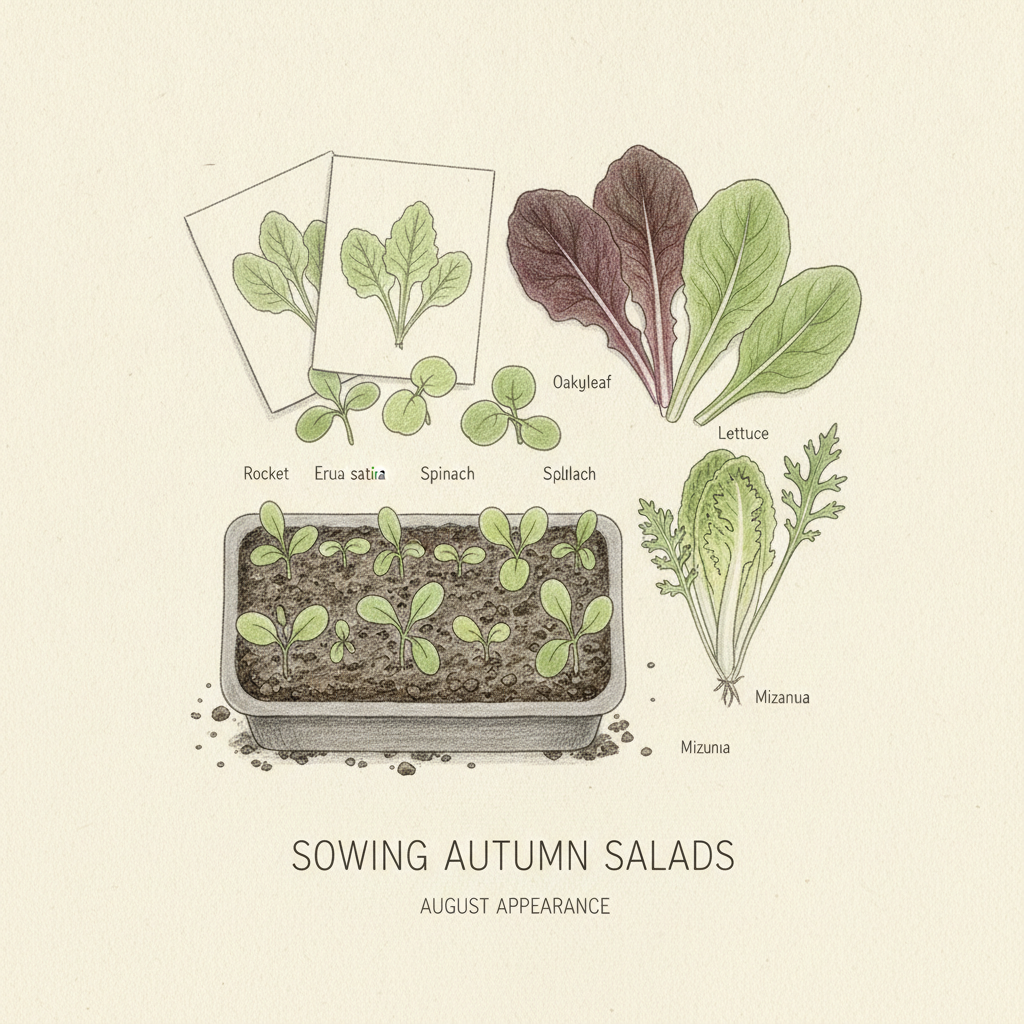
There's still plenty you can sow and plant in August:
- Final salad crops — lettuce, radish, pak choi, spinach and spring onion for picking through autumn.
- Hardy annuals for next year — calendula, cornflower and poppy sown now flower earlier next summer.
- Autumn-flowering bulbs — plant crocus and colchicum for late-season colour.
Use gaps left where earlier crops have just been harvested, so beds keep working rather than sitting empty. For details on individual plants, see the linked plant pages.
From the monthly read
Four to plant in August
Sedum 'Herbstfreude'Bee favourite
Rudbeckia 'Goldsturm'Long-flowering
Japanese anemone 'Honorine Jobert'Shade-lover
Foxglove 'Sutton's Apricot'Sow now
A few things to hold off on or stay alert to this month:
- Don't ignore blight. In warm, wet spells, watch potatoes and tomatoes for brown patches on leaves and stems. Remove affected leaves promptly if you spot it.
- Don't cut lavender into old wood. Trim only this year's growth — lavender rarely re-shoots from bare old stems.
- Don't store onions and garlic damp. Wait until the foliage has yellowed and dry the bulbs thoroughly first, or they'll rot in storage.
- Don't let the mower scalp the lawn. Cutting too short in dry weather stresses grass and lets it brown off.
BeeWise turns this generic list into your August list. Instead of guessing which jobs apply, it works from the beds and plants you've actually saved — so it'll remind you to deadhead the dahlias in your front border, trim the lavender you noted flowering last month, and check the tomatoes when your local forecast turns warm and muggy and blight risk climbs.
It remembers what you did in June and July, so it won't tell you to sow what's already in, and it times watering reminders to your own location's weather rather than a national average. That's the difference between a checklist and Bea, a Head Gardener who knows your garden.
FAQ
Ready for a calmer month in the garden?
Get this turned into your own task list, timed to your garden and your local conditions.
For UK outdoor gardens · iPhone and Android